

Chimney inspection, a close look before you light a fire
A chimney can look fine from the living room and still have a cracked liner, a rusted damper or a failing crown above the roofline. We look at each part and tell you in plain words what we find.
- Firebox, flue and damper
- Crown, cap and flashing
- Visits 7 AM to 11 PM
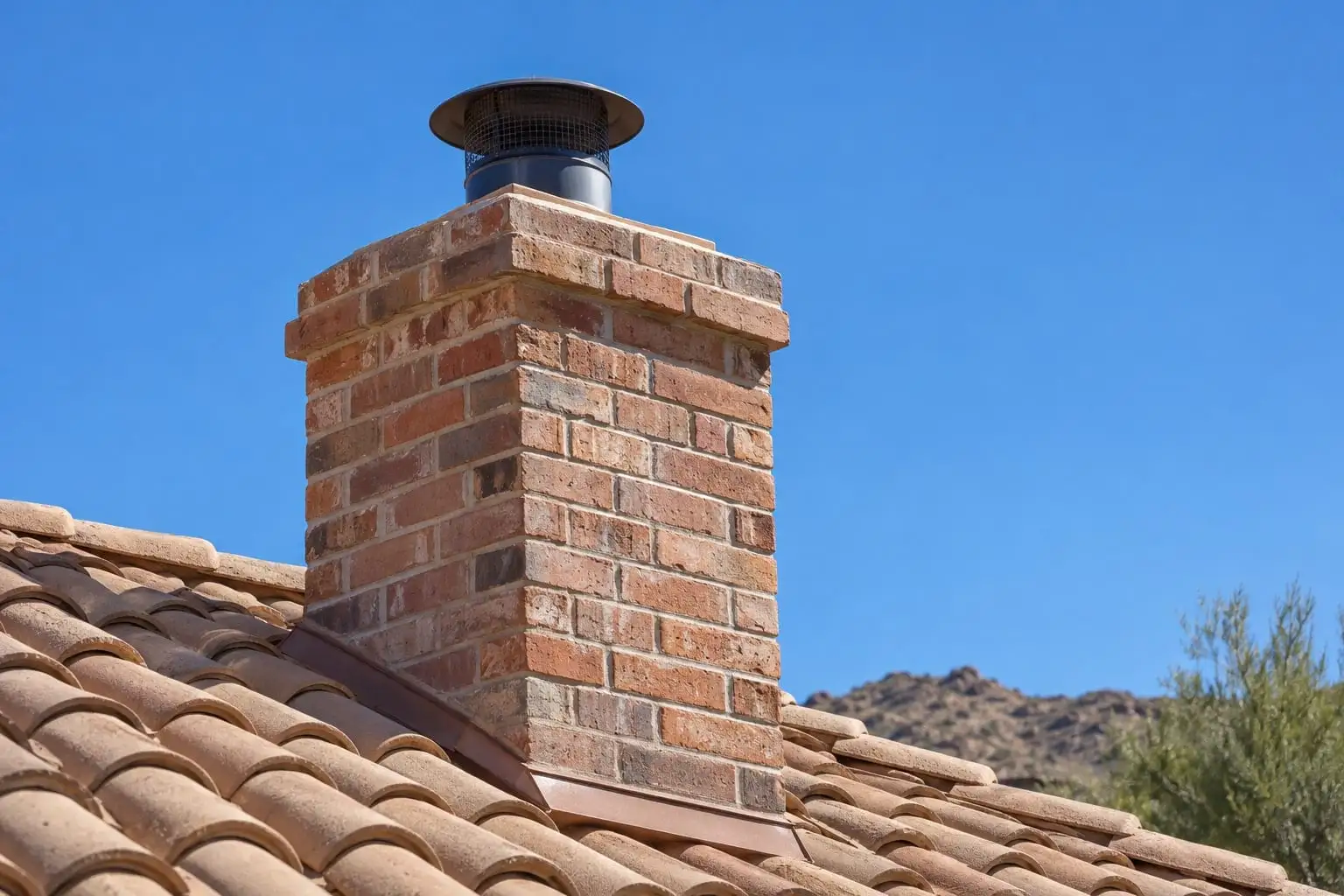
What an inspection is for
Most chimney problems are quiet. A hairline crack in the flue, mortar that has crumbled at the top or a cap that has rusted through will not announce themselves until a storm or a first fire of the season.
An inspection answers a simple question: is this chimney in a condition to be used? We look from inside the firebox and from above, and we describe what we see without selling you anything you do not need.
In the valley, summer heat bakes the roof and the masonry, and monsoon rain tests the crown and flashing. Those are the places we look closely.
- Firebox walls and floor
- Damper and its operation
- Flue, as far as we can see it
- Smoke shelf and chimney base
- Crown, cap, flashing and mortar joints
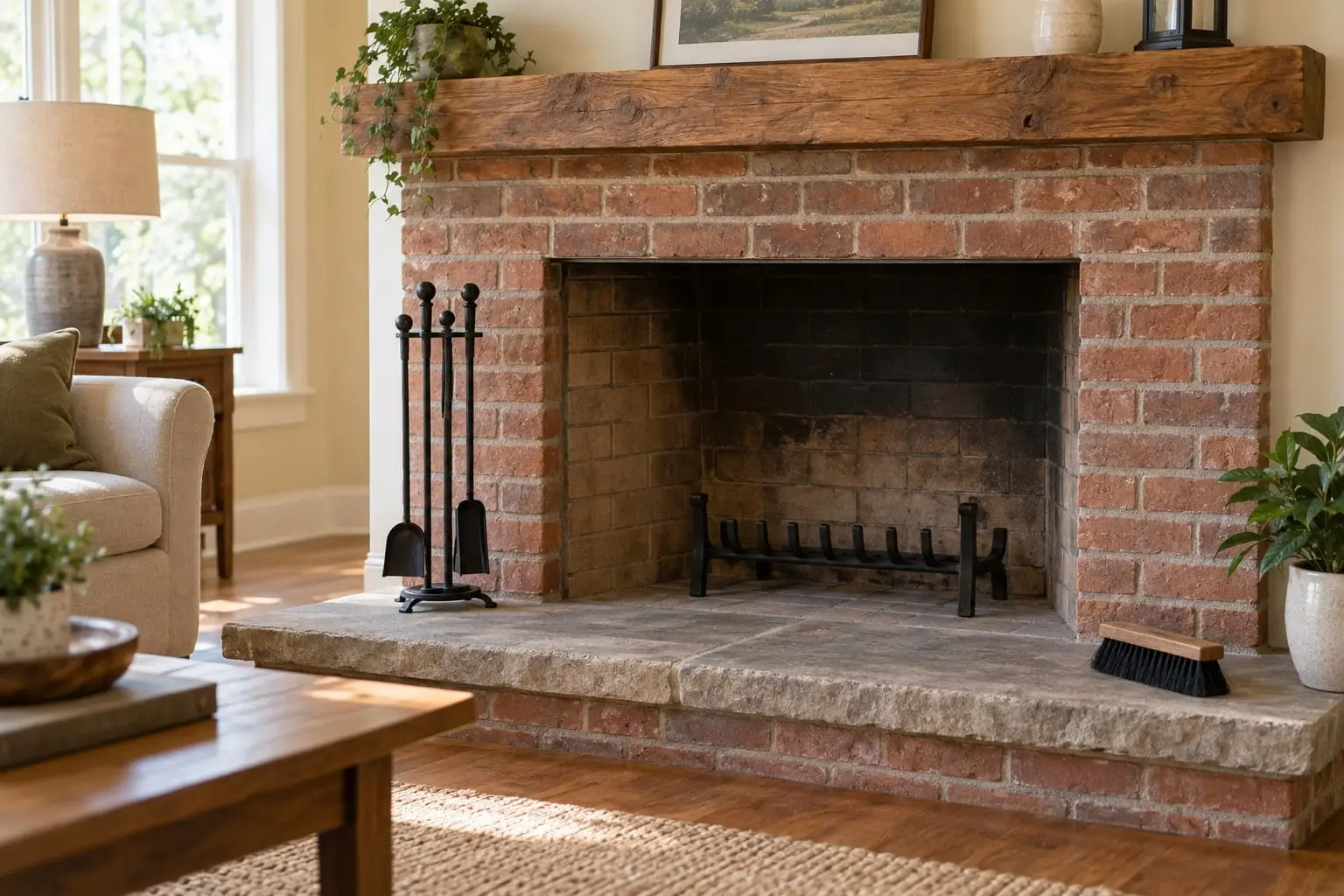
What you get with Chimney inspection
We look at every part
From the hearth to the cap, we check each part of the chimney that we can reach and tell you which ones need attention.
A plain account
You hear what we saw in words, not jargon: what is fine, what is worn and what we would watch or fix.
Useful when buying or selling
A chimney is easy to overlook in a home purchase. An inspection tells you its condition before you rely on it.
Before the cool season
Checking the chimney before the first fire is calmer than finding a problem in the middle of a cold night.
Not sure what it needs?
Tell us what needs cleaning and we’ll call you back
Four short questions, then a person calls you back to set up the visit. No obligation.
Reasons to have a chimney inspected
An inspection is not only for a problem you already know about.
- You are buying or have just bought a home with a fireplace
- The fireplace has sat unused for a long time
- You noticed smoke in the room, a strong smell or debris in the firebox
- A storm or heavy wind may have damaged the cap or crown
- Something changed: a new insert, a new stove or a different fuel
How an inspection goes
Each home gets the same careful sequence.
We ask what you have noticed and how the fireplace is used.
We look at the firebox, the damper and the smoke shelf with a strong light.
We look up the flue and, where we can, along its length.
We check the crown, the cap, the flashing and the mortar joints from the roof or with a camera view.
We explain what we found and what we would do next, in order of importance.
What an inspection can and cannot show
We can see what we can reach and light. Parts of a flue run behind walls and are not always fully visible, and we will say so when that is the case.
An inspection does not repair anything. If we find damage, you decide how to proceed, and nothing is done without your agreement.
Chimney inspection questions
What is the difference between a sweep and an inspection?
A sweep cleans soot and creosote out of the flue. An inspection examines the chimney for damage and wear. They are different jobs, and an inspection is the right choice when you want to know the condition.
Do I need an inspection if I rarely use my fireplace?
Rare use does not stop weather, age or animals from damaging a chimney. If it has been a while, or you are about to use it after a long gap, a look is a sensible precaution.
Will you go up on my roof?
Where the roof is safe to access, we check the crown, the cap and the flashing from above. Where it is not, we use other ways to view them and tell you how much we could see.
What happens if you find a problem?
We explain what we saw, which part is affected and what we would suggest next. Some findings only need watching and others need repair. You choose what to do, and nothing happens without your say.
Other services we provide
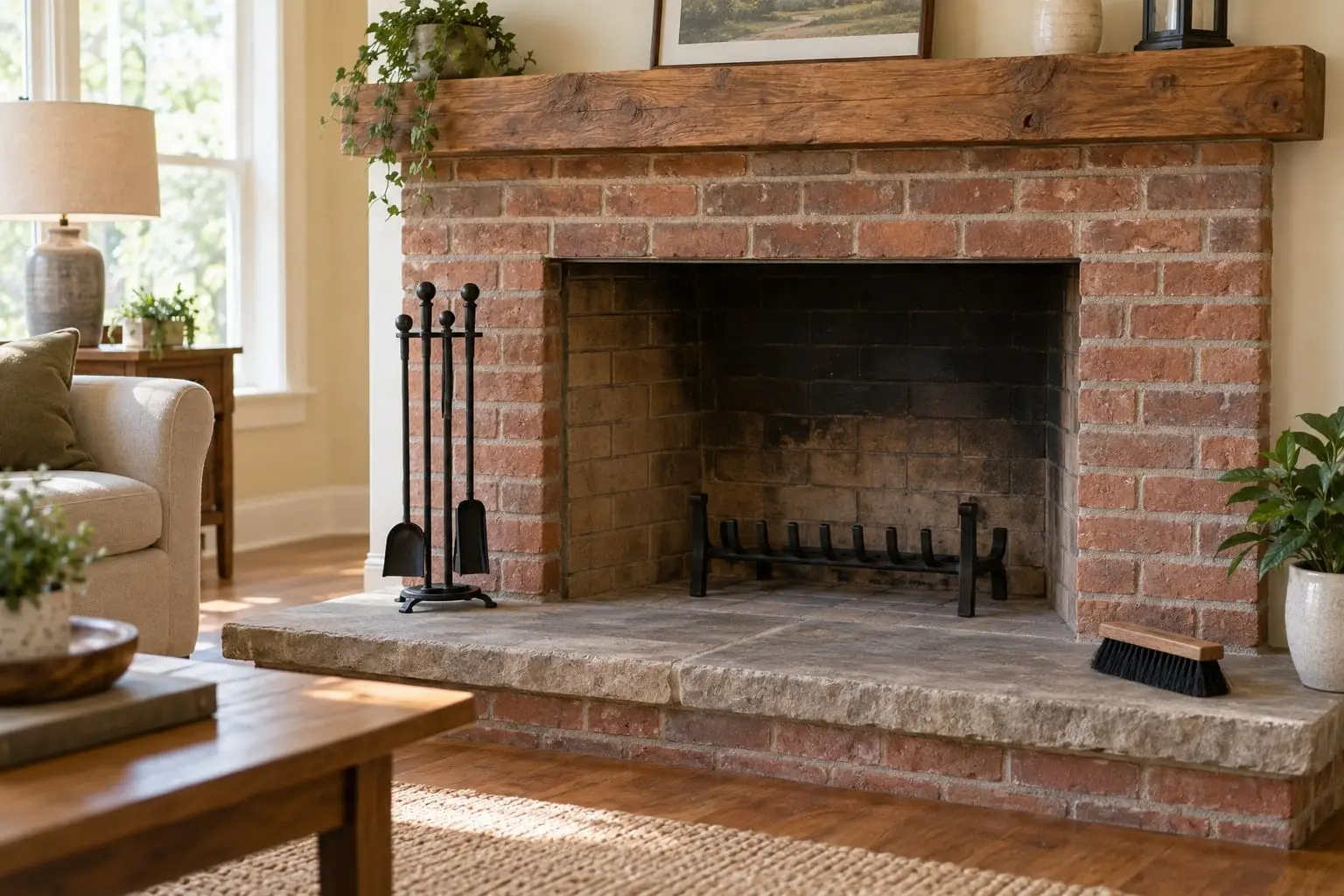
Chimney sweep and cleaning
Chimney sweep service: soot and creosote cleared from the flue, smoke shelf and firebox.
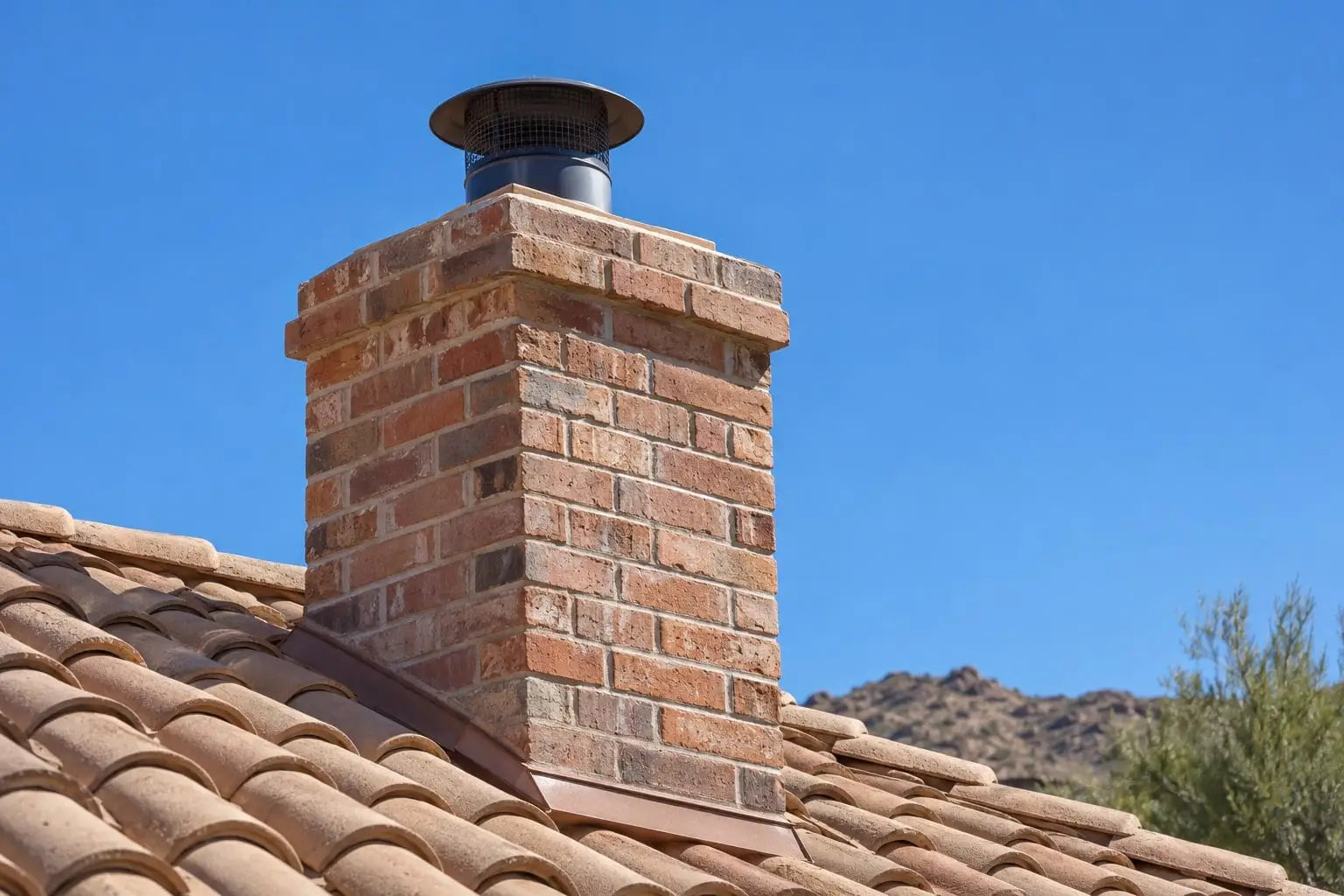
Chimney repair
Common chimney repairs explained: cap, crown, flashing, mortar joints, liner and damper.
The photographs are AI-generated illustrations, not jobs of ours.
Ready to have your chimney inspected?
Tell us what needs cleaning and leave your number. We call you back to set a time.