

Area rug cleaning, handled by fiber and weave
A rug is not a small piece of carpet. The fiber, the dyes and the way it was woven all change how it should be cleaned, so we start by looking closely at yours, and we tell you plainly if it should go to a specialist instead.
- Looked at before cleaning
- Fibers, dyes and fringe
- Honest about specialist rugs
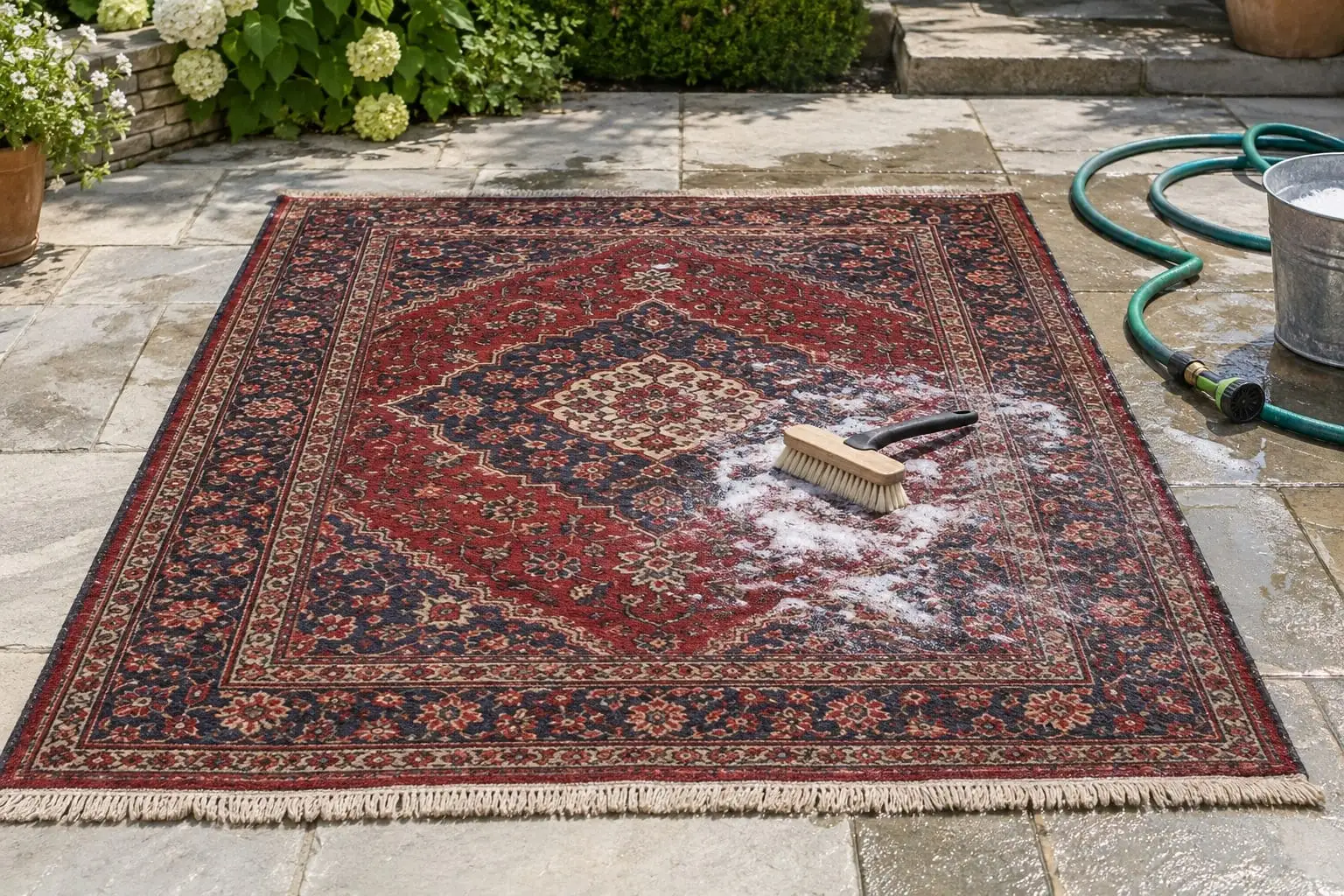
Why rugs need a different approach
A rug collects the same fine dust as carpet, but it collects it deeper and holds it longer, because the dirt sifts down between the knots and the foundation. A rug that looks fine on top can be heavy with grit underneath, and that grit wears the fibers from the inside.
Rugs also vary far more than carpet. Wool, cotton, synthetic blends and natural fibers like jute or sisal each react differently to water and cleaning solution. Dyes can run, fringe can stain, and some backings do not tolerate soaking.
That is why we do not treat every rug the same way. We look at it, test where we need to, and decide on a method before water touches it.
- Wool, synthetic and blended area rugs
- Machine-made and many hand-made rugs
- Fringe, edges and backing checked
- Dust, spots, odors and traffic soil
What you get with Rug cleaning
We identify the rug first
Fiber, weave, dye and condition decide how a rug is cleaned, so we look before we choose a method, not after.
Grit worked out from below
Dry soil deep in the pile is removed before washing, so the cleaning step is not just turning dust into mud.
Rinsed, not left soapy
Hard valley water leaves minerals behind, and leftover solution holds dirt. We rinse the rug so it is not left with residue to attract more soil.
A straight answer on fragile rugs
Antique, silk or unusually delicate rugs may need a specialist. We tell you that early instead of taking a risk with something irreplaceable.
Not sure what it needs?
Tell us what needs cleaning and we’ll call you back
Four short questions, then a person calls you back to set up the visit. No obligation.
How we approach a rug
The steps change with the rug, but the order is consistent.
We look over the rug, noting the fiber, dye stability, fringe and any damage
We remove dry dust and grit from the pile and the back
We test a hidden spot for colorfastness where it is needed
We wash and rinse with a method that suits the fiber
We groom the pile and leave the rug ready to dry flat
Signs a rug needs attention
Rugs hide dirt well, which means they are often overdue by the time anyone notices.
- A dull look or gray tone that vacuuming does not change
- Dust rising when you walk across it or beat a corner
- Spots, spills or pet accidents that have dried in
- A musty smell, especially after a damp spell or monsoon storm
- Fringe that has darkened
When a rug is better off with a specialist
Some rugs are not suited to our methods. Very old rugs, silk rugs, rugs with dyes that bleed and pieces with serious damage can be harmed by ordinary washing. If your rug is one of these, or is valuable to you for reasons beyond its looks, we say so and suggest a rug specialist.
We would rather turn down a job than return a rug in worse shape than we found it.
Rug cleaning questions
Can you clean a rug at my home or does it go away?
It depends on the rug. Many area rugs can be cleaned where they are, while others are better handled with more space and control. We tell you which makes sense once we have looked at it.
Will the colors run?
Some dyes are unstable, which is why we test a hidden area before cleaning when it matters. If a rug is likely to bleed, we explain the risk and may recommend a different approach.
What if my rug is an antique or silk?
We will tell you honestly if it is outside what we do. Delicate and valuable rugs can be harmed by standard washing, and a specialist is the better choice for those.
Why does my clean rug sometimes smell damp?
It usually means it has not finished drying, or that moisture stayed in the backing. Rugs should dry fully and flat. We explain how to dry yours, and how to tell when it is ready to go back.
Other services we provide
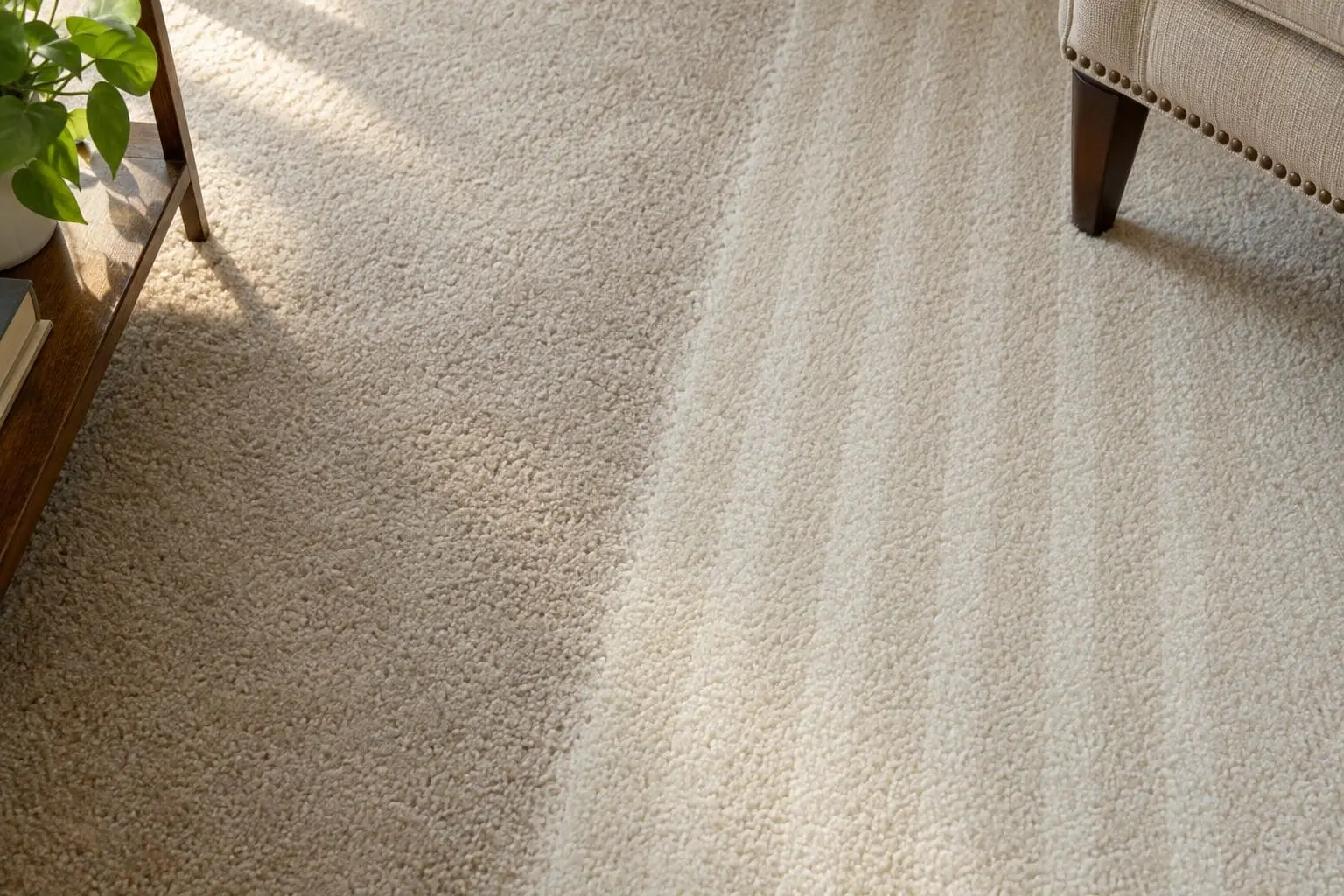
Carpet cleaning
Hot-water (steam) extraction for bedrooms, living rooms, stairs and hallways, done at your home.
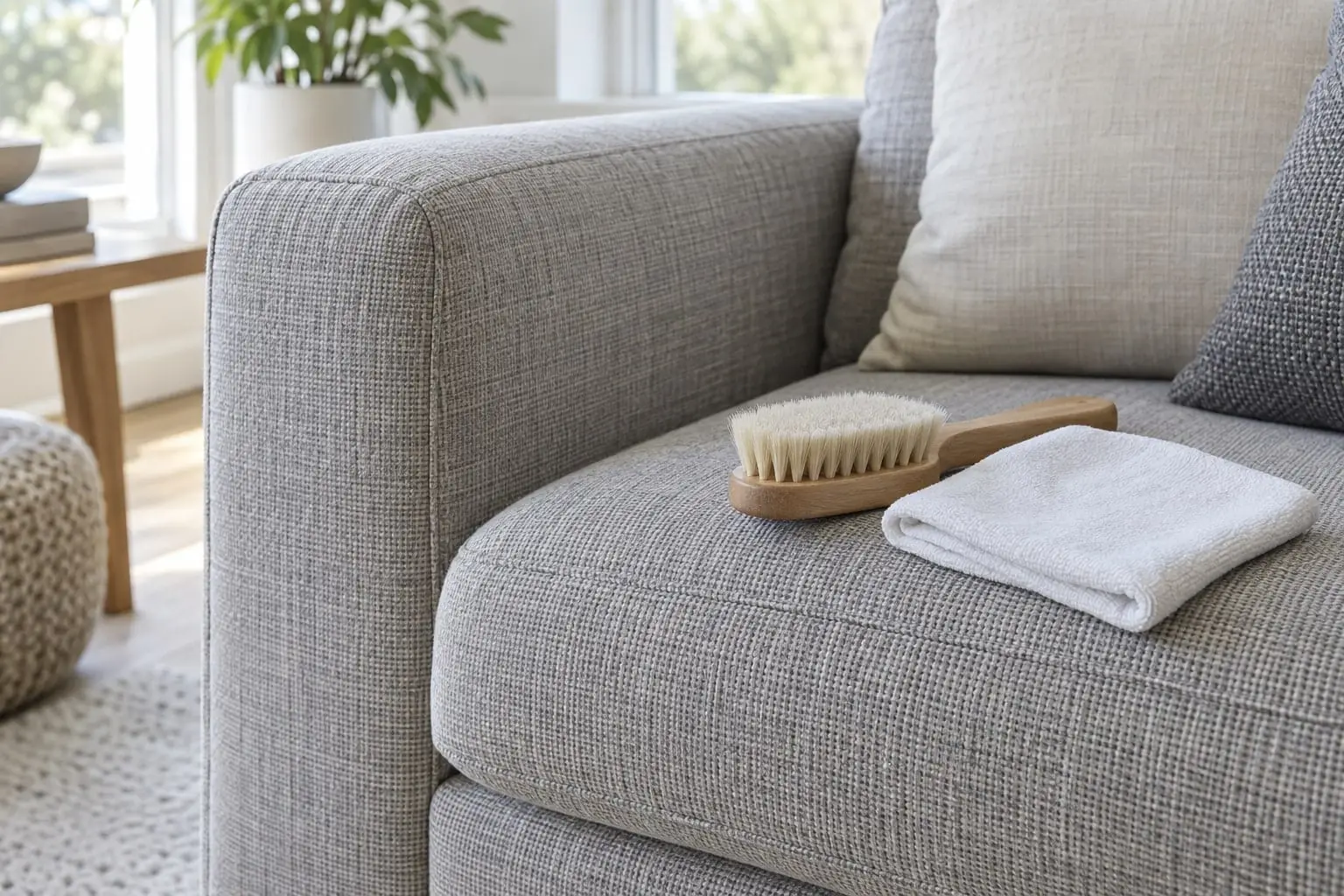
Upholstery cleaning
Sofas, loveseats, armchairs and dining chairs cleaned at your home, with the method chosen to suit the fabric.
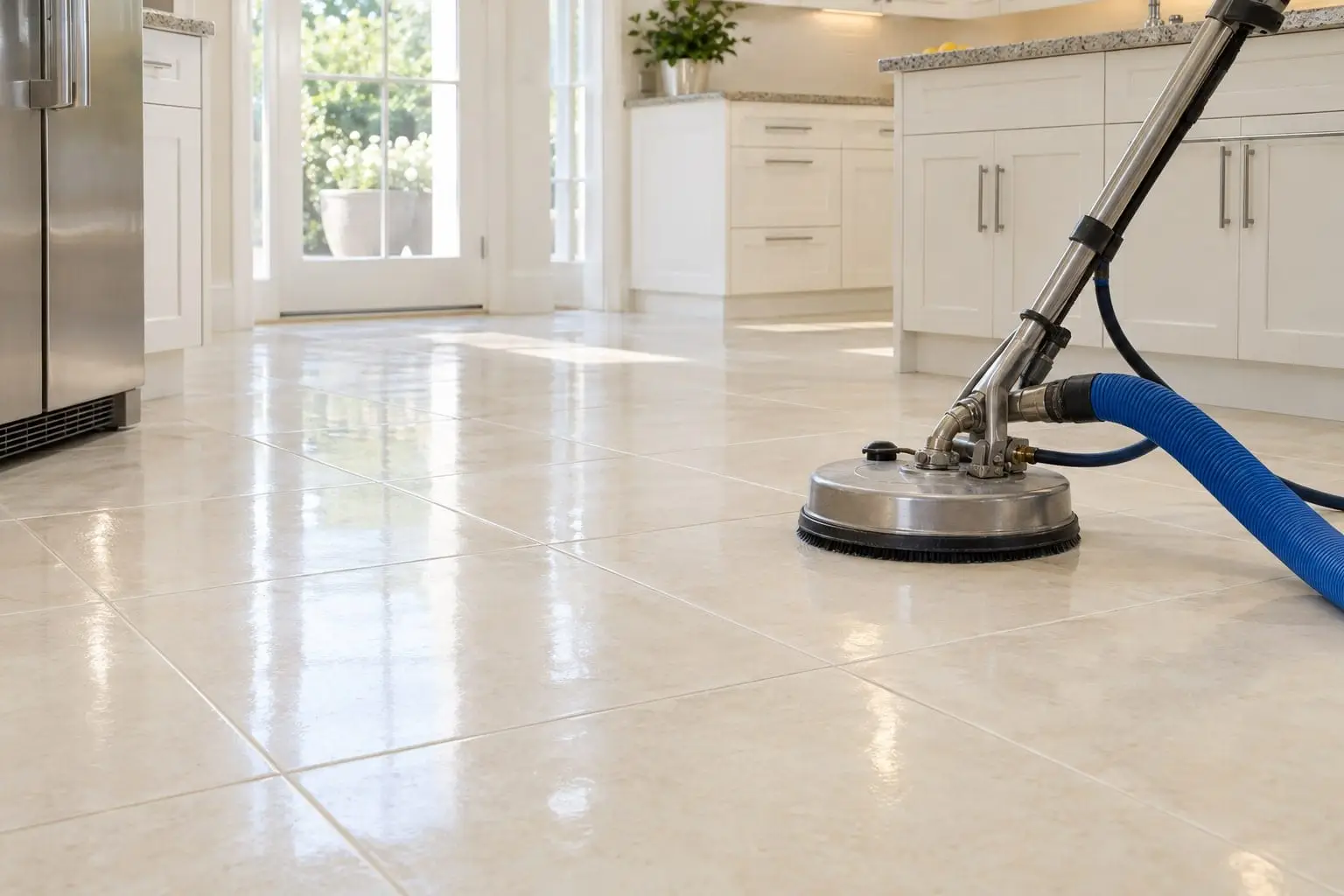
Tile and grout cleaning
Tile floors, showers and counters cleaned at your home, with grout lines and hard-water film worked out.
The photographs are AI-generated illustrations, not jobs of ours.
Have a rug you would like cleaned?
Tell us what needs cleaning and leave your number. We call you back to set a time.