

Dryer vent cleaning, lint cleared from end to end
Lint does not only collect in the trap you empty. It packs into the duct behind the dryer and at the exterior hood, where it slows the airflow and holds heat. We clear the whole run, from the back of the machine to the outside wall.
- Duct and exterior hood
- Lint removed, airflow checked
- Visits 7 AM to 11 PM
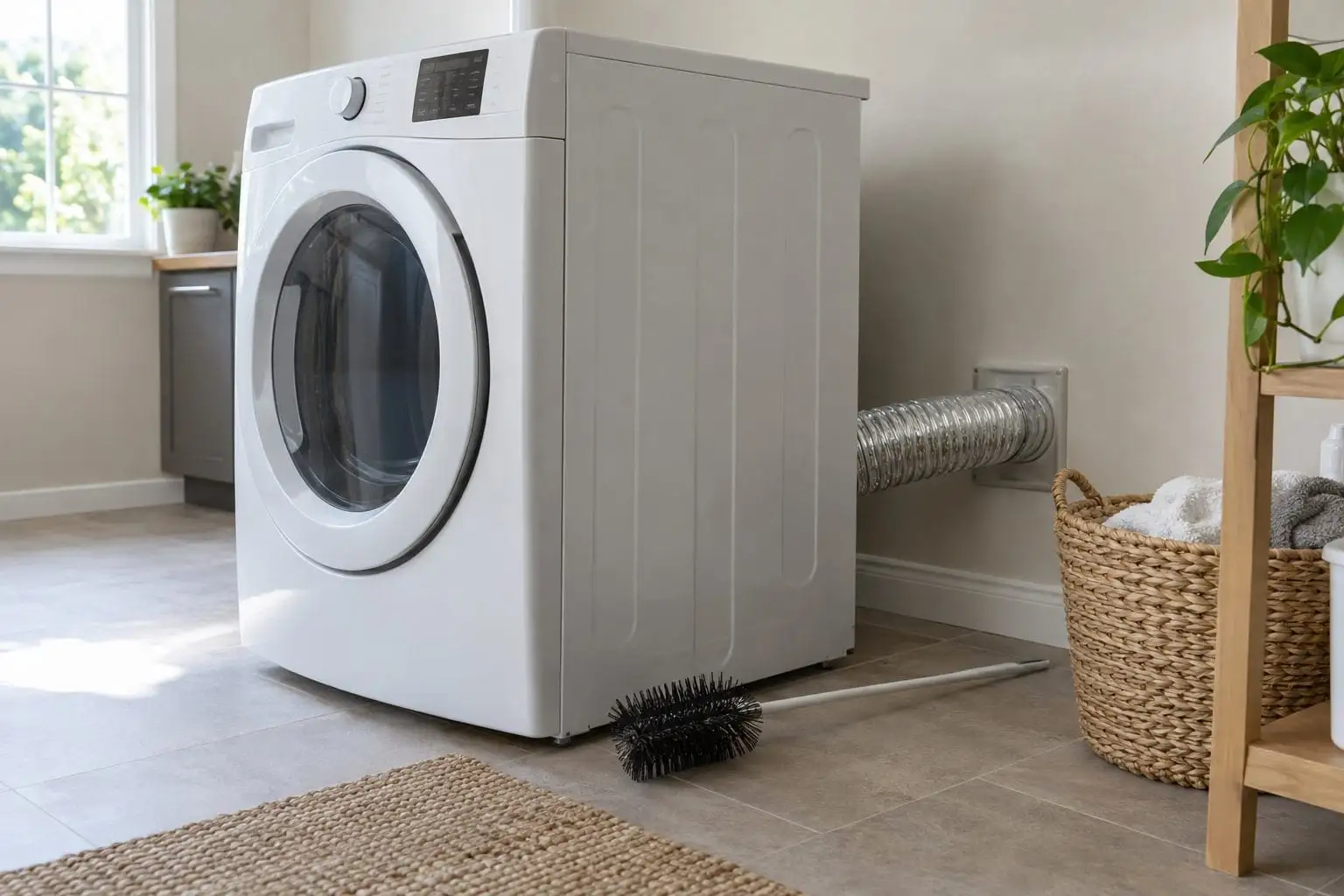
Why the vent matters more than the lint trap
A dryer pushes hot, damp air out of the house through a duct. Fine lint gets past the trap and settles along that duct, especially at bends and where the duct meets the outside hood.
When the run is partly blocked, the air has nowhere to go. Clothes take longer to dry, the machine runs hot and the laundry room gets warm. A blocked vent is also a fire concern, which is why it is worth checking even when nothing seems wrong.
We come to your home, pull the dryer out far enough to reach the connection, and work through the whole duct with brushes and suction.
- The connection behind the dryer
- The duct through the wall or ceiling
- The exterior vent hood and its flap
- Airflow checked when the work is done
What you get with Dryer vent cleaning
Lint is fuel
Dry lint burns easily, and a packed duct holds heat. Clearing it takes away one of the most common causes of dryer trouble at home.
Clothes dry the way they should
When air flows freely, a load does not need a second cycle. Many people notice the problem first as laundry that stays damp.
We check the whole run
We look at the duct, the joints and the hood, and note anything crushed, disconnected or damaged so you know what you are dealing with.
We work around your laundry area
We move the dryer carefully, protect the floor, and set it back where it was, plugged in and level.
Not sure what it needs?
Tell us what needs cleaning and we’ll call you back
Four short questions, then a person calls you back to set up the visit. No obligation.
Signs the vent needs cleaning
A dryer rarely fails all at once. It gets a little worse each month, and the signs are easy to miss.
- Towels and jeans take more than one cycle to dry
- The top of the dryer or the laundry room feels very warm
- A burnt or hot-lint smell during a cycle
- Lint around the outside hood, or a hood flap that does not open
- Lint on the floor behind the dryer
How a visit goes
The order stays the same on every home.
We check the dryer, the connection and the outside hood before we touch anything.
We pull the dryer out, disconnect the duct and cover the floor.
We clean the duct with rotating brushes while a vacuum draws the lint out.
We clean the exterior hood and make sure its flap moves freely.
We reconnect the duct, push the dryer back and confirm air is flowing outside.
What we cannot fix by cleaning
A long run with many bends will always collect lint faster than a short, straight one. We clean what is there and can tell you if the layout is likely to cause repeat buildup.
Foil or plastic flex duct, crushed sections and disconnected joints are replacement jobs. We point them out so you can have them corrected.
Dryer vent cleaning questions
How often should a dryer vent be cleaned?
It depends on how much laundry you run and how long the duct is. A busy household with a long run needs attention more often. If clothes are slow to dry, do not wait for a schedule.
Can I just clean the lint trap and skip the vent?
Emptying the trap is necessary but it only catches part of the lint. The rest travels into the duct and the outside hood, where it builds up out of sight and slows the airflow.
Will you clean the vent hood outside my house?
Yes. The exterior hood is where lint often packs the tightest, and the flap can stick shut. We clear it and check that it opens and closes freely as part of the cleaning.
What if you find a damaged or crushed duct?
We tell you what we see and show you where. Cleaning cannot repair a crushed or disconnected duct, so we recommend having it replaced or corrected, and we do not hide the problem.
Other services we provide
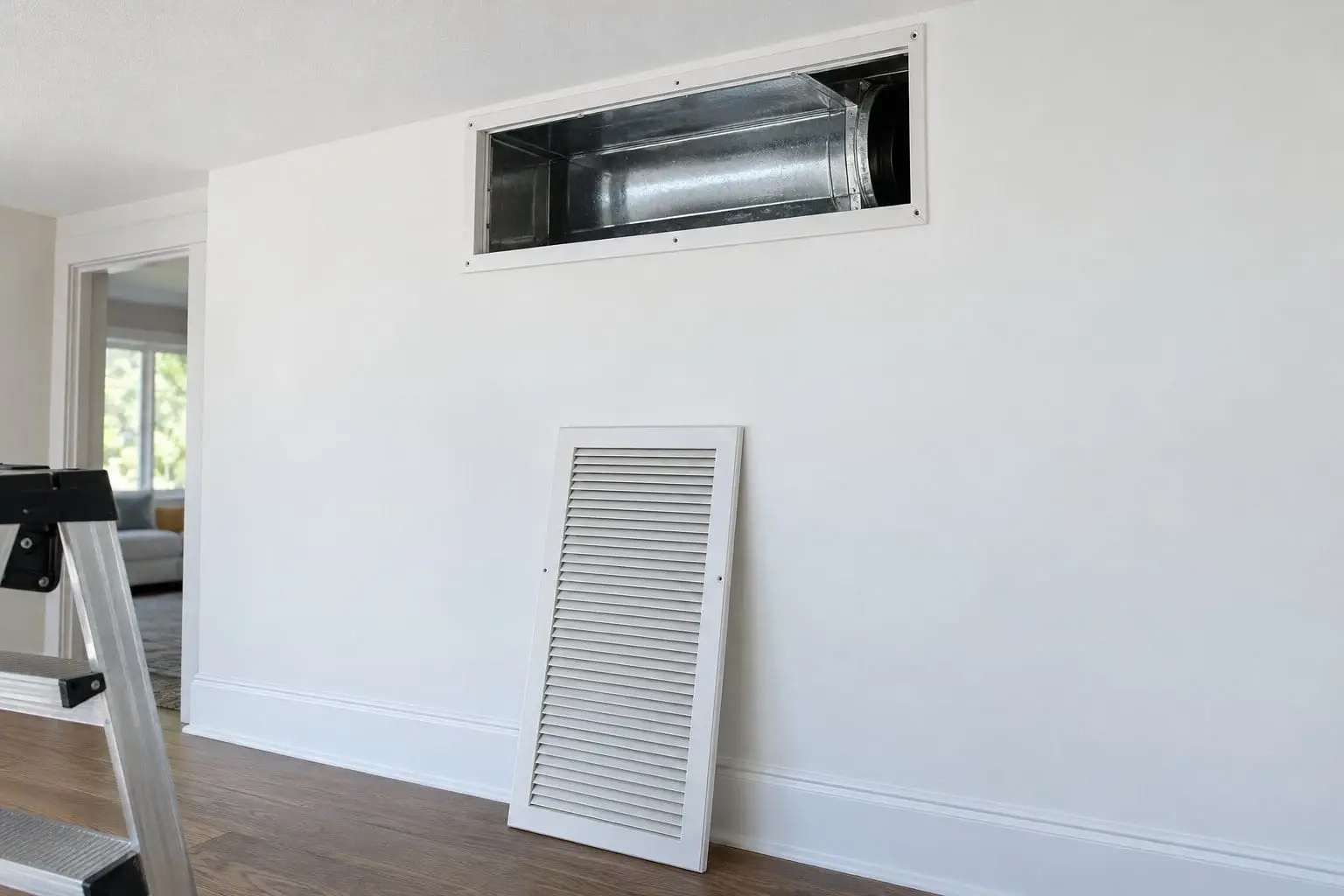
Air duct cleaning
Dust, debris and buildup cleaned from supply and return ducts, registers and vent covers.
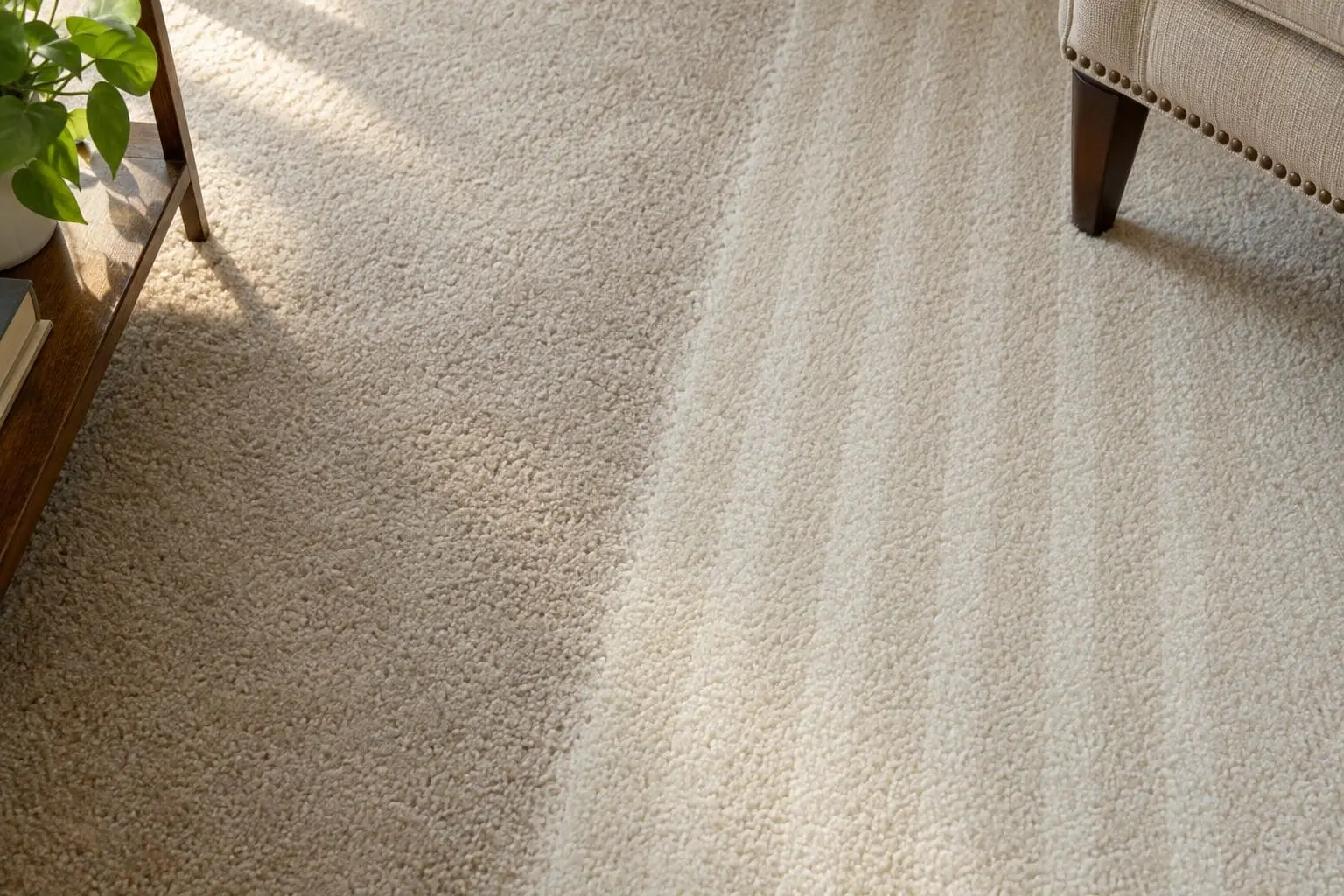
Carpet cleaning
Hot-water (steam) extraction for bedrooms, living rooms, stairs and hallways, done at your home.

Chimney sweep and cleaning
Chimney sweep service: soot and creosote cleared from the flue, smoke shelf and firebox.
The photographs are AI-generated illustrations, not jobs of ours.
Ready to get your dryer venting properly?
Tell us what needs cleaning and leave your number. We call you back to set a time.